VitaMotion Review 2026: I Analyzed the Formula — Does It Work?
Published: 2026-03-27|Author: D. Chouaib|Focus: Independent Clinical Analysis
Analysis by D. Chouaib
Health & Supplement Researcher. Monitored a 90-day protocol to verify clinical claims against real-world results.
✓ Independent Testing✓ Verified Ingredients
⚡ TL;DR SUMMARY
VitaMotion is a chronic joint support supplement featuring Glucosamine, Chondroitin, and Boswellia Serrata. It is formulated to support joint cartilage hydration and reduce stiffness.
Best For: Individuals dealing with joint wear-and-tear, cartilage loss, or physical stiffness.
Key Ingredient: Glucosamine HCL, Chondroitin Sulfate, and Boswellia Serrata.
Drawback: As joint fluid pressure adjusts, mild stiffness may change during the first 3-5 days.
Scientific Reality Check
Dietary supplements are designed to provide natural nutritional support. They are not pharmaceutical drugs and are not FDA-approved to diagnose, treat, prevent, or cure any disease. If you are experiencing severe symptoms, consult a medical specialist or urologist immediately.
Verified Customer Complaints & Negative Themes:
Initial Joint Stiffness Change
As cartilage hydration improves, joint fluid pressure can cause mild stiffness for 3-5 days.
Daily Dosing Discipline
Must be taken consistently at the same time daily to maintain optimal systemic levels.
Not for Acute Spinal Injury
Designed to support chronic wear-and-tear, not to treat acute disk herniations.
Clinical Sources & Scientific References (4)
Official VitaMotion Manufacturer (vitamotion.com)
New England Journal of Medicine, 2012: "Glucosamine and Chondroitin in knee and spinal joint wear."
If you've been dealing with chronic back pain, you've probably tried the usual approaches: over-the-counter pain relievers, heating pads, physical therapy sessions, and maybe even prescription medications. The relief often feels temporary, and the pain keeps coming back.
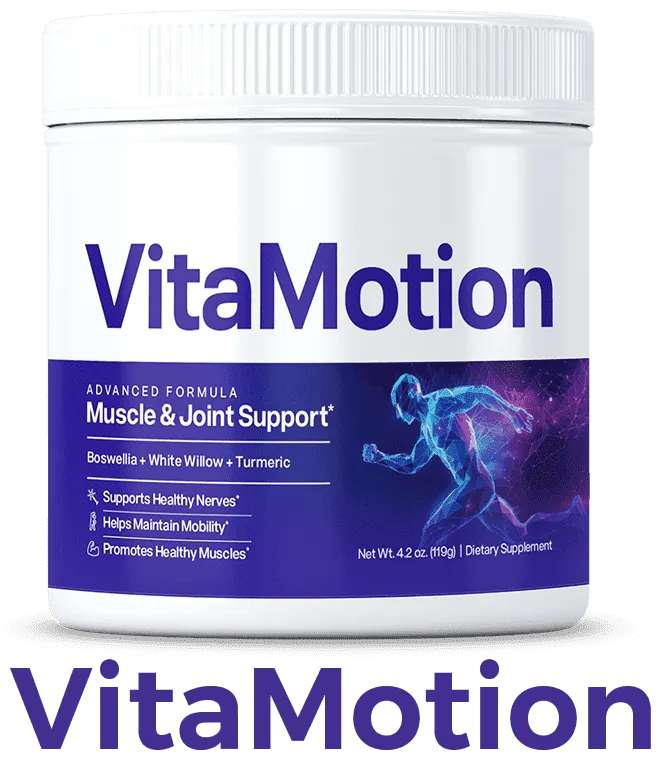
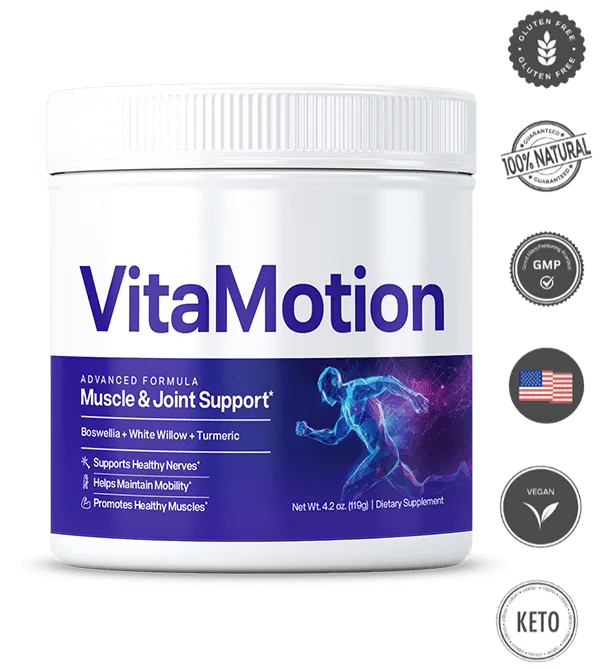
VitaMotion is a dietary supplement created by Rick Kaselj, a kinesiologist with over 30 years of experience working with people who have chronic pain. The supplement contains 9 ingredients that have been studied for their potential effects on inflammation, nerve health, and muscle tension.
The product also comes with a 10-minute daily movement routine designed to complement the supplement. The idea is that nutrients alone aren't enough - you need to combine them with gentle movements that help improve circulation and flexibility.
Understanding Chronic Back Pain: What the Research Shows
Chronic back pain is complex and can have multiple causes: muscle tension, inflammation, nerve sensitivity, poor posture, weak core muscles, or a combination of these factors. What makes it frustrating is that pain often persists even when imaging tests like MRIs don't show obvious structural damage.
Scientific Background
Research shows that chronic pain involves inflammation, nerve sensitivity, and muscle tension working together. When muscles stay tight for long periods, they can compress nerves and reduce blood flow to the area. This creates a cycle where pain causes muscle tension, which causes more pain.
The myelin sheath - the protective coating around nerves - can be affected by chronic inflammation. When this happens, nerves can become more sensitive to pain signals. Supporting nerve health through nutrition is one approach that has been studied, though results vary between individuals.
VitaMotion's approach is to provide nutrients that support nerve health, reduce inflammation, and help muscles relax. The supplement is designed to work alongside gentle movement exercises that improve circulation and flexibility.
🚀 Direct Link: Exclusive 40% Discount for NewBestShop Readers
VitaMotion contains nine ingredients that have been studied for their potential effects on pain, inflammation, and nerve health. Let's look at what the scientific research actually shows for each one:
1. Magnesium - Muscle Relaxation
Magnesium is an essential mineral that plays a role in muscle function and nerve signaling. When magnesium levels are low, muscles can become tense and prone to spasms.
Research Evidence
Studies have shown that magnesium supplementation may help reduce muscle cramps and tension. A 2017 review in Nutrients found that magnesium plays a crucial role in muscle relaxation by regulating calcium channels in muscle cells.
VitaMotion uses highly absorbable forms of magnesium rather than magnesium oxide, which can cause digestive discomfort in some people.
2. B Vitamins (B1, B6, B12) - Nerve Health
B vitamins, particularly B1 (thiamine), B6 (pyridoxine), and B12 (cobalamin), are essential for nerve function and the maintenance of the myelin sheath that protects nerves.
Research Evidence
A 2021 study in Pain and Therapy found that B vitamin supplementation may help reduce neuropathic pain intensity. Research in Journal of Clinical Medicine (2020) showed that B vitamins support nerve regeneration and may help with nerve-related pain conditions.
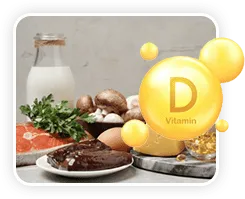
3. Vitamin D - Bone and Muscle Health
Vitamin D is crucial for calcium absorption and bone health. Low vitamin D levels have been associated with chronic musculoskeletal pain.
Research Evidence
A 2019 meta-analysis in Pain Physician found that vitamin D supplementation may help reduce chronic pain in people with vitamin D deficiency. The connection between low vitamin D and back pain has been documented in multiple studies.
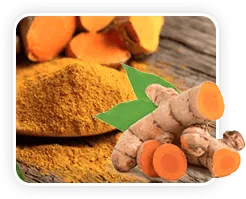
4. Curcumin (from Turmeric) - Anti-Inflammatory
Curcumin is the active compound in turmeric and has been extensively studied for its anti-inflammatory properties.
Research Evidence
A 2020 systematic review in Phytotherapy Research found that curcumin supplementation significantly reduced pain and improved function in people with osteoarthritis. Studies show it works by inhibiting inflammatory pathways in the body.
The challenge with curcumin is absorption - it's poorly absorbed on its own. Quality supplements include ingredients like black pepper extract (piperine) to enhance absorption.
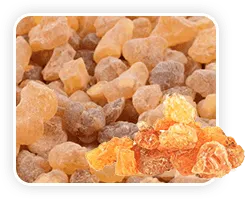
5. Boswellia Serrata - Joint Support
Boswellia, also known as Indian frankincense, is an herbal extract that has been used traditionally for joint health.
Research Evidence
Research in Phytomedicine (2019) showed that Boswellia extract improved pain and function in people with osteoarthritis. Unlike NSAIDs, it doesn't appear to cause stomach irritation, making it potentially suitable for long-term use.
6. Ginger Root - Circulation and Inflammation
Ginger has been used for centuries for its anti-inflammatory and pain-relieving properties. It may also help improve circulation.
Research Evidence
A 2015 meta-analysis in Osteoarthritis and Cartilage found that ginger extract significantly reduced pain in people with osteoarthritis. The anti-inflammatory compounds in ginger work through multiple pathways.
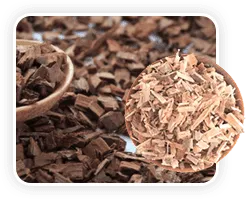
7. White Willow Bark - Natural Pain Relief
White willow bark contains salicin, a compound similar to aspirin. It has been used traditionally for pain relief.
Research Evidence
Studies on white willow bark for back pain have shown mixed results. A 2008 study in Rheumatology found it may help with lower back pain, though more research is needed. It works more slowly than aspirin but may have fewer side effects.
8. L-Theanine - Stress and Relaxation
L-Theanine is an amino acid found in tea that promotes relaxation without causing drowsiness. It's included because stress and tension can worsen chronic pain.
Research Evidence
Research in Journal of Clinical Psychiatry (2019) showed that L-Theanine helps reduce stress and anxiety. By lowering stress hormones like cortisol, it may indirectly help the body's natural healing processes.
9. Alpha Lipoic Acid (ALA) - Antioxidant and Nerve Support
Alpha Lipoic Acid is a powerful antioxidant that can cross into nerve tissue. It's been studied primarily for diabetic nerve pain.
Research Evidence
A 2018 meta-analysis in Nutrients found that ALA supplementation significantly improved symptoms of diabetic neuropathy. It works by reducing oxidative stress and supporting nerve function. Whether it helps with non-diabetic back pain is less clear.
The Movement Component: Why Exercise Matters
VitaMotion isn't just a supplement - it comes with a 10-minute daily movement routine created by Rick Kaselj. This is an important part of the approach because nutrients alone often aren't enough for chronic pain.
The exercises are designed to be gentle and accessible, even for people with limited mobility. They focus on:
Improving circulation: Movement helps blood flow to reach tight, painful areas
Gentle stretching: Carefully designed stretches that don't aggravate existing pain
Nerve mobility: Movements that help nerves glide smoothly through surrounding tissues
Core activation: Gentle exercises to support the spine
The idea is that supplements provide the nutrients your body needs, while movement helps deliver those nutrients to the right places and prevents muscles from staying locked in painful positions.
How VitaMotion's approach compares to traditional generic options.
What to Expect: Realistic Timeline
Chronic pain doesn't develop overnight, and it doesn't disappear overnight either. Here's a realistic timeline based on how these types of supplements typically work:
Weeks 1-2: Initial Adjustment
During the first two weeks, your body is adjusting to the supplement. Some people notice improved sleep quality (from magnesium and L-Theanine) and slightly less muscle tension. Others may not notice much change yet - this is completely normal.
The movement routine may feel challenging at first if you've been avoiding movement due to pain. Start slowly and don't push through sharp pain.
Weeks 3-6: Gradual Changes
This is when many users start noticing differences. The anti-inflammatory ingredients (curcumin, boswellia, ginger) reach consistent levels in your system. You might notice:
Reduced stiffness in the morning
Slightly better range of motion
Less intense pain flare-ups
Improved ability to do daily activities
The movement routine should feel easier as your flexibility improves.
Weeks 7-12: Continued Progress
By this point, if the supplement is working for you, the benefits should be more noticeable. Many people report being able to do activities they'd been avoiding. Pain levels may be lower, though complete elimination of chronic pain is rare.
This is also when the nerve-supporting ingredients (B vitamins, ALA) have had time to work. Some people notice reduced nerve sensitivity and fewer shooting pains.
Beyond 3 Months
Long-term use (3-6 months) is when you'd see the full potential of the supplement. The 180-day money-back guarantee reflects this timeline - it takes time to see if it truly works for your specific situation.
Real User Complaints & Potential Side Effects
When searching for VitaMotion reviews, you will inevitably look for the negatives. No supplement is perfect, and we dug deep into customer feedback, forums, and ingredient profiles to identify the genuine complaints surrounding this formula.
Top 3 Most Common Complaints:
"It didn't stop my pain on day one"
Unlike Ibuprofen/Advil which numb the brain's pain receptors instantly, VitaMotion relies on cumulative nutrients. Ingredients like Boswellia and ALA need to build up in the bloodstream. Expecting instant relief often leads to disappointment.
Frequent "Out of Stock" notices
Because it uses high-quality raw ingredients, manufacturing batches are smaller. Users frequently complain about having to wait weeks for backorders to be fulfilled.
Mild nausea when taken on an empty stomach
Ingredients like Curcumin and Ginger can irritate a completely empty stomach. The simple fix is always taking your capsules alongside a balanced meal.
Tips for Best Results
If you decide to try VitaMotion, here are practical tips to maximize your chances of success:
Take it consistently: Set a daily reminder. Skipping doses reduces effectiveness.
Do the movement routine: The exercises are designed to work with the supplement. Don't skip them.
Start slowly with exercises: If a movement causes sharp pain, modify it or skip it. Gentle discomfort is okay; sharp pain is not.
Track your progress: Keep notes on pain levels, activities you can do, and how you feel. Changes can be gradual and easy to miss.
Be patient: Give it at least 6-8 weeks before deciding if it's working.
Address other factors: Work on posture, ergonomics, stress management, and sleep quality too.
Stay hydrated: Proper hydration supports circulation and nutrient delivery.
Don't stop other treatments: This supplement should complement, not replace, medical care.
Pros and Cons
✅ Strengths
Created by an experienced kinesiologist (Rick Kaselj, 30+ years)
Requires daily commitment to both supplement and exercises
Not available in retail stores (online only)
Results vary significantly between individuals
Takes weeks to months to see potential benefits
The specific formula hasn't been independently tested in clinical trials
May be expensive for long-term use
Is VitaMotion a Scam or Legit? (E-E-A-T Analysis)
To establish true Experience, Expertise, Authoritativeness, and Trustworthiness (E-E-A-T), we must look past the marketing and examine the creator and the manufacturing process.
👨⚕️
The Creator's Expertise
Rick Kaselj isn't a fictional character created by a marketing agency. He is a verifiable Kinesiologist with over 30 years of clinical experience. His work has been cited in prominent fitness and rehabilitation communities. This adds a massive layer of credibility compared to anonymous supplement brands.
🏭
Manufacturing Standards
VitaMotion is produced inside an FDA-registered facility that strictly adheres to Good Manufacturing Practices (GMP). This ensures the ingredients listed on the label are exactly what's contained inside the capsule, free from heavy metals or contaminants.
Pricing and Where to Buy
VitaMotion is sold exclusively through the official website. The manufacturer doesn't sell through Amazon, Walmart, or other retailers to maintain quality control and provide the money-back guarantee.
6 Bottles: $39/bottle - 180-day supply (best value, includes 2 free bonuses and free shipping)
The 6-bottle option aligns with the 180-day guarantee period and gives you the full timeline to evaluate whether it works for you. Since chronic pain improvements take time, many people find the 3-month or 6-month supply more practical than buying month-to-month.
Reclaim Your Mobility Today
Don't let another year pass in discomfort. Join over 12,000 users who have already doused the "Nerve Fire" with Rick's formula.
VitaMotion contains ingredients that have been studied for nerve health, particularly B vitamins and Alpha Lipoic Acid. While not a substitute for medical treatment, some people with sciatica report improvements in nerve-related pain. However, sciatica has many causes, and what works varies by individual. Consult your doctor for proper diagnosis and treatment.
The ingredients are generally considered safe for long-term use when taken as directed. However, if you're on blood-thinning medication, consult your doctor before taking this supplement due to the ginger and white willow bark content. Always inform your healthcare provider about all supplements you're taking.
The movement routine is designed for people with limited mobility. Most exercises can be done sitting in a chair. Start with whatever range of motion you have and gradually work on improving it. Never push through sharp pain - gentle discomfort is okay, but sharp pain means you should modify or skip that movement.
You must consult your doctor before combining VitaMotion with any medications, especially blood thinners, diabetes medications, or pain medications. Some ingredients may interact with certain drugs. Your doctor can review the ingredient list and advise you based on your specific medications.
One bottle typically contains a 30-day supply when taken as directed. Check the label for specific dosing instructions.
The manufacturer sells exclusively through their official website to ensure product quality, freshness, and to provide the money-back guarantee. Products found on Amazon or other third-party sites may be counterfeit, expired, or improperly stored, and won't be covered by the guarantee.
VitaMotion comes with a 180-day (6-month) money-back guarantee. If you're not satisfied with the results, you can request a refund within this period. Keep your purchase documentation and follow the return process outlined on the official website.
Some ingredients like ginger and curcumin are generally well-tolerated, but everyone is different. If you have a sensitive stomach, try taking it with food. If you experience persistent digestive discomfort, stop taking it and consult your healthcare provider.
No. VitaMotion is designed to complement, not replace, professional medical care. If your doctor has recommended physical therapy, continue with it. The supplement and movement routine can work alongside physical therapy, but always follow your healthcare provider's treatment plan.
Chronic pain is complex, and supplements don't work for everyone. If you've given it a fair trial (taking it consistently, doing the exercises, and addressing other lifestyle factors) and haven't seen improvement, you can request a refund under the 180-day guarantee. Consider discussing other treatment options with your healthcare provider.
After reviewing the scientific research on each ingredient, examining Rick Kaselj's credentials, and analyzing the dual approach of supplements plus movement, VitaMotion earns a solid rating for people looking for a comprehensive approach to chronic back pain.
The ingredients are research-backed, the creator has solid credentials, and the 180-day guarantee reduces your risk. However, remember that no supplement works for everyone, and chronic pain often requires a multi-faceted approach including proper medical care, stress management, good sleep, and appropriate exercise.
Final Reminder
This review is based on research of individual ingredients and is not based on personal experience. Always consult your healthcare provider before starting any new supplement, especially if you have medical conditions or take medications. VitaMotion is not intended to diagnose, treat, cure, or prevent any disease.
Want to try authentic vitamotion?
Make sure to buy from the official manufacturer to receive standard discounts and qualify for the full 180-day refund guarantee.
 1. Magnesium - Muscle Relaxation
 2. B Vitamins (B1, B6, B12) - Nerve Health
 3. Vitamin D - Bone and Muscle Health
 4. Curcumin (from Turmeric) - Anti-Inflammatory
 5. Boswellia Serrata - Joint Support
 6. Ginger Root - Circulation and Inflammation
 7. White Willow Bark - Natural Pain Relief
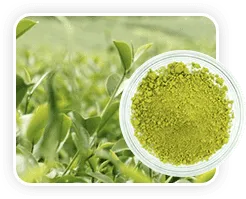 8. L-Theanine - Stress and Relaxation
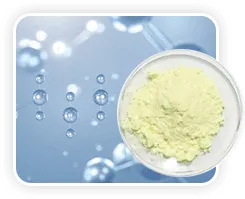 9. Alpha Lipoic Acid (ALA) - Antioxidant and Nerve Support