MindBoost Review 2026: Ingredients, Side Effects, Price, and Verdict
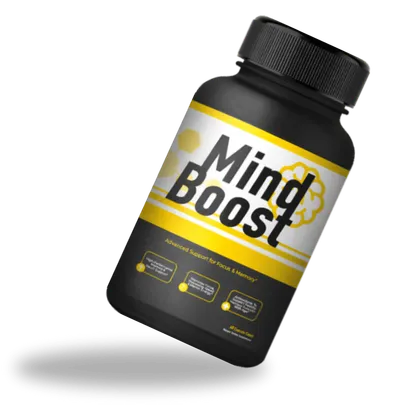
MindBoost is positioned as a broad cognitive-support formula. The more useful question is not whether it sounds impressive, but whether the stack matches the problem you are actually trying to solve.
On this page
MindBoost sits in the part of the nootropic market where brands try to promise memory, focus, clarity, and mental energy at the same time. That makes ingredient coherence more important than hype. A formula can sound sophisticated and still be mismatched for the buyer. Our review looks at MindBoost through that lens: formula logic first, expectations second, marketing last.
The shortest take
MindBoost looks more coherent than generic shelf-style brain supplements, but it still belongs in the support bucket. It is not a shortcut around sleep problems, burnout, mood issues, or symptoms that deserve proper evaluation.
Quick verdict
Who it may suit
Adults looking at non-stimulant cognitive support and keeping expectations grounded in gradual, support-oriented use.
Who should skip it
People expecting a prescription-like effect, a same-day transformation, or something that replaces proper medical evaluation.
Why someone might consider it
The formula looks broader than the usual caffeine-heavy approach and tries to cover more than one angle of mental support.
Why expectations matter
People often shop for a supplement when the bigger issue may be sleep debt, stress, burnout, medication effects, or an untreated health problem.
| Question | Short answer | Why it matters |
|---|---|---|
| Does the formula make sense? | More than many generic nootropics, yes. | The stack appears aimed at memory, clarity, and support rather than a single stimulant-style jolt. |
| Should expectations stay conservative? | Definitely. | Support formulas are easier to oversell than to use realistically. |
| Is this a substitute for diagnosis? | No. | Persistent cognitive symptoms need context before product comparison. |
What the formula is trying to do
MindBoost appears to follow a multi-pathway strategy. Instead of centering the offer around one hero ingredient, it tries to support neurotransmitter balance, membrane health, and antioxidant coverage at the same time. That can make more sense than the usual "energy equals focus" shortcut, especially for buyers comparing products across the broader nootropic category.
Membrane support
Ingredients such as phosphatidylserine are usually discussed in the category because they relate to brain-cell structure and memory support discussions.
Neurotransmitter support
Pairs such as GABA, L-tyrosine, DMAE, and choline are usually marketed around calm alertness, focus, or verbal fluidity.
Antioxidant angle
Berry and plant extracts often play the role of broad oxidative-stress support rather than dramatic symptom relief.
Category logic
The formula reads more like a blended support product than a one-note stimulant, which is a positive in this category.
If you want the ingredient-level context around one of the more recognizable compounds in the stack, read our phosphatidylserine guide. If your core issue is mental cloudiness rather than memory or focus, the better next step may be brain fog causes and solutions before you buy anything.
What we like
- The product positioning is easier to take seriously when it stays in the "support" lane instead of pretending to diagnose or treat.
- The formula style is broader than the shelf-brand approach that leans almost entirely on branding or one famous ingredient.
- The surrounding content cluster now gives readers a fuller decision path: basics first, review second, comparison third.
Best use of this page
Use the review to judge whether MindBoost is at least logically built for your goal. Use the rest of the cluster to decide whether your goal is even the right one.
Where we stay cautious
- MindBoost still lives in a market full of overconfident claims, so the copy around it should never be more certain than the evidence allows.
- People often confuse general mental fatigue with a supplement problem when the root issue may be sleep debt, mood, workload, or health changes.
- Broad formulas can look impressive while still being a poor fit for someone who has not clarified whether they need lifestyle cleanup, clinical evaluation, or a comparison page.
Important
If concentration or memory issues are new, worsening, or disruptive enough to affect work, driving, or daily function, do not let a review page become a substitute for proper evaluation.
Side effects and who should pause
Because nootropic stacks often combine several support ingredients, the better safety question is not only "does it have side effects?" but also "does this make sense for me right now?" That matters even more if you already take medications, react strongly to supplements, or still do not know what is driving your symptoms.
- People taking medications or managing health conditions should review the current label with a clinician or pharmacist first.
- People whose main problem is anxiety, panic, severe sleep disruption, or sudden memory change should step back and get context before buying.
- Anyone expecting a same-day mental upgrade should reset expectations before spending money in the category.
Price and value
Value in this category is less about the cheapest bottle and more about whether the formula is coherent enough to deserve further consideration. A cheaper brand is not automatically better if the stack is thinner, noisier, or built around weaker logic. On the other hand, a more expensive stack is not automatically smarter either.
Before buying, check the current label, bundle pricing, and refund terms on the official offer page. Then compare that with the practical question from our MindBoost vs alternatives guide: are you paying for a formula style that matches your actual problem, or just reacting to marketing confidence?
References used for this review
- FDA guidance on dietary supplements and what FDA does and does not approve
- National Institute on Aging guidance on memory and cognitive health in adults
- NIMH and NIH consumer guidance on attention, mood, sleep, and cognition-related symptoms
Want to check the current label and price?
Review the official offer only after you have compared the formula with your actual goals and read the supporting pages in this cluster.
View the current MindBoost offerFrequently asked questions
It is a better fit for adults looking at non-stimulant style cognitive support and keeping expectations grounded in gradual support, not dramatic transformation.
No. If symptoms are persistent, worsening, or materially disruptive, evaluation should come before supplement experimentation.
No. The formula looks more coherent than many generic nootropic pages, but it still belongs in the support category and should be judged with measured expectations.
Check the current label, compare the product with your actual symptoms, review the refund terms, and decide whether lifestyle or medical issues are the larger factor first.