If you've noticed that it takes you slightly longer to recall names, or that you frequently misplace your keys, your first instinct might be to blame aging. But "aging" is just a word we use to describe a series of biological break-downs.
In the brain, the primary breakdown occurs in the cell membrane. When we are young, the membranes surrounding our brain cells are fluid and flexible, allowing neurotransmitters (which carry memories and thoughts) to easily pass through.
As we age, these membranes stiffen. When membranes stiffen, neurotransmitter reception slows down, resulting in cognitive delay and brain fog.
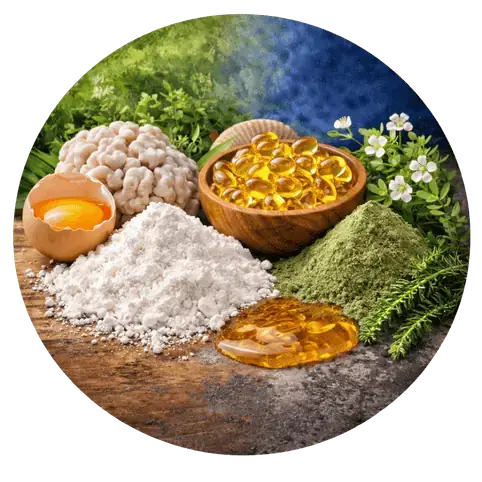
Enter Phosphatidylserine (PS)
Phosphatidylserine (PS) is a phospholipid (a type of fat) that naturally covers and protects the cells in your brain. In fact, it's so vital that the brain naturally synthesizes it when we are young.
However, natural production drops significantly after the age of 40, leading directly to the stiffening of neural cell membranes. This is the physiological cause of age-related cognitive decline.
In multiple double-blind, placebo-controlled trials published over the last two decades, adults with age-related cognitive decline who supplemented with 100mg-300mg of Phosphatidylserine daily saw significant improvements in memory recall, name-face recognition, and ability to hold concentration.
How PS Repairs the Brain
When you supplement with Phosphatidylserine, it physically crosses the blood-brain barrier within minutes and begins integrating itself into the damaged, stiff cell membranes, restoring their youthful fluidity.
Beyond structural repair, PS also acts as a "spark plug" for neurogenesis. It increases the brain's natural production of Acetylcholine, the primary neurotransmitter responsible for learning, memory storage, and rapid recall.
Phosphatidylserine is so well-researched that the FDA permits the qualified health claim that it "may reduce the risk of cognitive dysfunction in the elderly." Very few supplements have earned this level of regulatory recognition.
The Problem with Dietary Sources
Traditionally, humans obtained high amounts of PS by eating the organ meats (particularly the brains) of animals. Since modern diets have largely abandoned organ meats, our dietary intake of PS has plummeted.
While soy lecithin and white beans contain trace amounts, you would need to consume physically impossible amounts to reach the clinical dose of 100mg to 300mg per day.
The Nootropic Solution
People who want to try higher phosphatidylserine intake usually compare stand-alone PS products with blended nootropic formulas. A blended formula may be more convenient, but it also makes it harder to tell which ingredient is doing the work.
If you want to compare one example of that blended approach, our MindBoost review breaks down the full formula, the ingredient logic, and the tradeoffs that matter before buying.
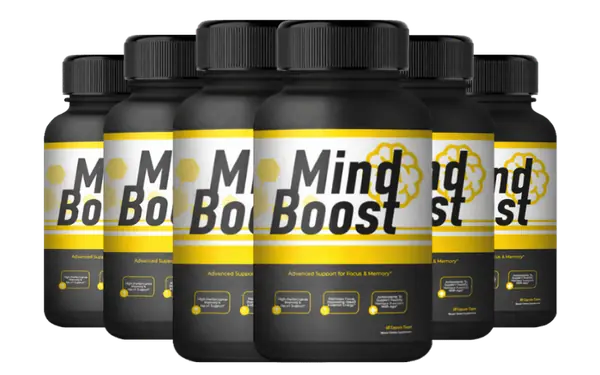
See How MindBoost Uses Phosphatidylserine
Our review looks at how MindBoost combines phosphatidylserine with other common nootropic ingredients, where the evidence is strongest, and where more caution is still warranted.
Read Our Full Mind Boost Review →