We've all been told since childhood that eating carrots will give us eagle-like night vision. While Beta-Carotene is important, modern nutritional science shows us there are far more powerful compounds necessary to protect our eyes from screens, UV rays, and cellular aging.
1. The Marigold Flowers' Secret (Lutein & Zeaxanthin)
Lutein and Zeaxanthin are carotenoids found in high concentrations in dark leafy greens (like kale and spinach) and brightly colored flowers like Marigolds. They are the only two antioxidants that physically accumulate in the macula of the human eye, acting as natural "internal sunglasses" blocking blue light.
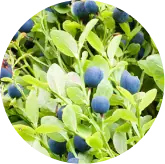
2. Bilberry Extract (The Pilot's Choice)
During WWII, British RAF pilots allegedly consumed Bilberry jam to improve their night vision before bombing runs. Rich in anthocyanins, Bilberry Extract has been clinically shown to strengthen retinal capillaries and increase rhodopsin production, accelerating dark adaptation.
3. Red Algae (Astaxanthin)
Found in wild-caught salmon and krill, Astaxanthin is one of the most potent antioxidants ever discovered. It easily crosses the blood-retinal barrier, providing 6,000 times the neutralizing power of Vitamin C against oxidative stress inside the eyeball.
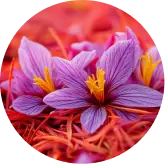
4. Saffron
The world's most expensive spice isn't just for cooking. Recent clinical trials have demonstrated that Saffron extract significantly improves visual acuity and helps protect photoreceptor cells against degenerative stress.
Can You Get Enough From Diet Alone?
While eating a massive salad of kale, salmon, and saffron daily sounds ideal, it's financially and logistically difficult. To reach therapeutic doses capable of actually reversing visual fatigue and floaters, supplementation is often required.
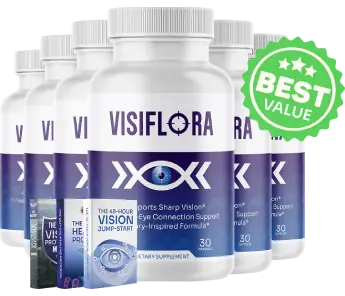
The Ultimate 22-in-1 Vision Nutrition Profile
VisiFlora contains clinical doses of Bilberry, Saffron, Astaxanthin, Lutein, Zeaxanthin, and 17 other vision-saving nutrients in one simple daily capsule.
View VisiFlora's Full Ingredient List →