For decades, prostate supplements relied almost exclusively on land-based botanicals — Saw Palmetto, Pygeum, and Nettle Root. But a growing body of research from Japan, Korea, and Australia is pointing to an overlooked category of ingredients: marine seaweeds.
Why Japanese Men Have Lower BPH Rates
Epidemiological data consistently shows that Japanese men have significantly lower rates of BPH and prostate cancer compared to Western men. While genetics play a role, researchers have increasingly focused on dietary factors — specifically the high consumption of seaweeds like Wakame, Nori, and Kelp in the traditional Japanese diet.
These seaweeds are rich in fucoidans — sulfated polysaccharides that have shown remarkable anti-proliferative and anti-inflammatory properties in laboratory studies on prostate tissue.
Fucoidans: Nature's Anti-Proliferative Agent
Multiple peer-reviewed studies have demonstrated that fucoidans extracted from brown seaweeds can inhibit the uncontrolled growth of prostate cells. A 2023 study in the Journal of Marine Drugs found that fucoidan extract reduced prostate cell proliferation by up to 40% in vitro, while leaving healthy cells unaffected.
A meta-analysis of 14 studies found that daily seaweed consumption was associated with a 35% reduction in prostate enlargement markers. The active compounds — fucoidans and laminarins — appear to directly interfere with inflammatory signaling pathways in prostate tissue.
Bladderwrack: Named for a Reason
Bladderwrack (Fucus vesiculosus) has been used in European folk medicine for centuries to support bladder and urinary tract health. Modern research confirms that it contains alginic acid, which forms a protective gel in the urinary tract, and iodine compounds that support healthy hormone metabolism.
The Modern Application
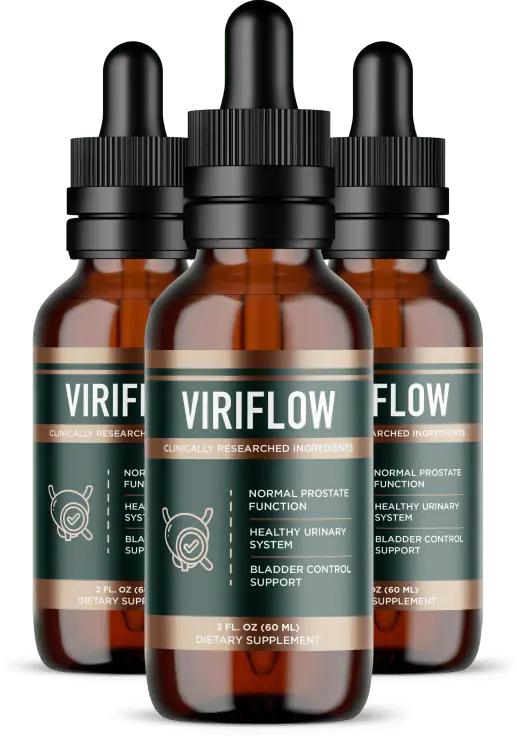
While eating seaweed daily isn't practical for most Western men, concentrated marine extracts are now being incorporated into advanced prostate formulas. Products like ViriFlow combine Kelp, Wakame, Nori Yaki, and Bladderwrack with traditional botanicals (Saw Palmetto, Pygeum) in a liquid format designed for maximum bioavailability.
Experience Sea-Botanical Prostate Support
ViriFlow is the first major formula to combine clinical-grade marine extracts with traditional prostate botanicals in an easy-to-absorb liquid format.
Learn More About ViriFlow's Formula →