Your ears are complex organs that require specific nutrients to function optimally. Just like your heart needs CoQ10 or your eyes need lutein, your auditory system has unique nutritional requirements.
This guide covers the most important nutrients for hearing health, backed by clinical research and recommended dosages.
Why Hearing Health Requires Specific Nutrients
The auditory system is metabolically demanding. The tiny hair cells in your inner ear:
- Consume massive amounts of energy (high mitochondrial density)
- Are extremely sensitive to oxidative stress
- Rely on precise blood flow for oxygen and nutrient delivery
- Cannot regenerate once damaged (unlike most body cells)
- Require specific minerals for proper signal transmission
Auditory hair cells are among the most metabolically active cells in your body. They're also non-renewable — once damaged, they're gone forever. Prevention through proper nutrition is essential.
The 8 Most Important Nutrients for Hearing Health
1. Magnesium: The Auditory Protector
What It Does: Protects hair cells from noise-induced damage, improves blood flow to the inner ear, and acts as a natural calcium channel blocker (preventing excitotoxicity).
The Research: Multiple studies show magnesium supplementation before and after noise exposure significantly reduces hearing damage. It's particularly effective for preventing noise-induced hearing loss.
Dosage: 300-400mg daily (magnesium glycinate or citrate for best absorption)
Food Sources: Spinach, pumpkin seeds, almonds, dark chocolate, avocados
A 2020 study in the American Journal of Otolaryngology found that magnesium supplementation reduced tinnitus severity by 32% after 3 months in patients with magnesium deficiency.
2. Zinc: Essential for Auditory Function
What It Does: Critical for proper immune function in the ear, wound healing, and neurotransmitter regulation. Zinc deficiency is strongly linked to tinnitus and age-related hearing loss.
The Research: Studies show 25-35% of tinnitus patients have zinc deficiency. Supplementation improves symptoms in deficient individuals.
Dosage: 15-30mg daily (don't exceed 40mg long-term without medical supervision)
Food Sources: Oysters, beef, pumpkin seeds, lentils, chickpeas
Important: Take zinc with food to avoid nausea. Balance with copper (1-2mg) if supplementing long-term.
3. Vitamin B12: Nerve Health Foundation
What It Does: Essential for myelin sheath formation (the protective coating around nerves). Deficiency causes auditory nerve damage and tinnitus.
The Research: B12 deficiency is found in 47% of tinnitus patients. Supplementation improves symptoms in deficient individuals within 8-12 weeks.
Dosage: 1,000mcg daily if deficient (common in adults over 50, vegetarians/vegans, and those on metformin or PPIs)
Food Sources: Meat, fish, eggs, dairy, fortified cereals
Testing: Ask your doctor for a B12 blood test. Levels below 400 pg/mL may cause symptoms even if "technically normal."
4. Vitamin C: Antioxidant Protection
What It Does: Powerful antioxidant that protects hair cells from free radical damage. Strengthens blood vessel walls in the inner ear.
The Research: Vitamin C supplementation reduces age-related hearing loss progression. Particularly effective when combined with vitamin E.
Dosage: 500-1,000mg daily (split into 2 doses for better absorption)
Food Sources: Citrus fruits, bell peppers, strawberries, broccoli, kiwi
5. Ginkgo Biloba: Circulation Enhancer
What It Does: Improves microcirculation to the inner ear, acts as an antioxidant, and may reduce tinnitus severity.
The Research: Meta-analyses show Ginkgo biloba extract (EGb 761) reduces tinnitus symptoms in 30-40% of users. Effects appear after 8-12 weeks.
Dosage: 120-240mg daily (standardized to 24% ginkgo flavone glycosides and 6% terpene lactones)
Caution: May increase bleeding risk. Avoid if on blood thinners or before surgery.
Key Natural Hearing Support Ingredients

Vitamin C
A powerful antioxidant that shields the hair cells of the cochlea from noise-induced oxidative damage. Studies show adequate Vitamin C intake correlates with better hearing preservation.

Ginkgo Biloba
Enhances cerebral and cochlear blood flow, delivering critical nutrients and oxygen to the auditory system. The most studied botanical for hearing support.

Garlic Extract
Allicin-rich garlic supports cardiovascular health and has been shown to have anti-inflammatory properties that may protect the delicate structures of the inner ear.
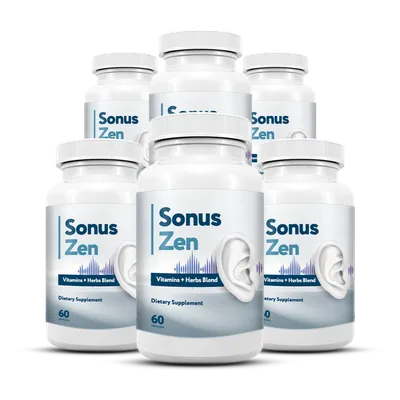
Complete Hearing Support Formula
SonusZen combines Ginkgo Biloba, vitamins, and minerals in one convenient formula. Clinically-dosed ingredients for optimal auditory health.
Learn More →🛡️ 60-Day Money-Back Guarantee
6. Omega-3 Fatty Acids (EPA & DHA)
What They Do: Reduce inflammation, improve blood flow, and maintain cell membrane health in auditory cells.
The Research: Higher omega-3 intake is associated with 20-30% lower risk of age-related hearing loss. Anti-inflammatory effects protect against noise damage.
Dosage: 1,000-2,000mg combined EPA/DHA daily
Food Sources: Fatty fish (salmon, mackerel, sardines, herring), fish oil supplements, algae oil (vegan option)
7. Alpha-Lipoic Acid (ALA): Universal Antioxidant
What It Does: Unique antioxidant that works in both water and fat-soluble environments. Protects mitochondria in hair cells and regenerates other antioxidants.
The Research: Studies show ALA supplementation reduces oxidative stress markers in the auditory system and may slow age-related hearing decline.
Dosage: 300-600mg daily (R-lipoic acid form is more bioavailable)
8. Coenzyme Q10 (CoQ10): Energy Production
What It Does: Essential for mitochondrial energy production. Hair cells have extremely high energy demands and are vulnerable to CoQ10 deficiency.
The Research: CoQ10 levels decline with age. Supplementation may protect against age-related hearing loss and improve recovery from noise exposure.
Dosage: 100-200mg daily (ubiquinol form for better absorption, especially over age 40)
Botanicals for Hearing Support
Garlic (Allium sativum)
Natural circulation booster with antimicrobial properties. Helps prevent ear infections and improves blood flow to auditory structures.
Dosage: 600-1,200mg aged garlic extract daily, or 1-2 fresh cloves
Rhodiola Rosea
Adaptogenic herb that reduces stress (a major tinnitus trigger) and protects against oxidative stress.
Dosage: 200-400mg standardized extract daily
Hawthorne Berry
Supports cardiovascular health and improves circulation to peripheral tissues including the inner ear.
Dosage: 300-600mg standardized extract daily
Creating Your Hearing Support Stack
Basic Stack (Prevention & Maintenance)
- Magnesium: 300-400mg
- Zinc: 15-30mg
- Vitamin C: 500-1,000mg
- Omega-3: 1,000-2,000mg EPA/DHA
Advanced Stack (Active Issues or High Risk)
Basic stack plus:
- Ginkgo Biloba: 120-240mg
- Vitamin B12: 1,000mcg (if deficient)
- Alpha-Lipoic Acid: 300-600mg
- CoQ10: 100-200mg
Timing & Absorption Tips
- Fat-Soluble Nutrients: Take CoQ10, omega-3s, and vitamin E with meals containing fat
- Magnesium: Best absorbed when split into 2 doses (morning and evening)
- Zinc: Take with food to avoid nausea, but not with calcium (competes for absorption)
- Ginkgo: Take with meals to reduce stomach upset
Hearing health nutrients work cumulatively. You won't see dramatic overnight changes, but consistent supplementation over 8-12 weeks can significantly improve auditory function and slow age-related decline.
Dietary Strategies for Hearing Health
Foods to Emphasize
- Leafy Greens: High in magnesium, folate, and antioxidants
- Fatty Fish: Omega-3s and vitamin D
- Berries: Flavonoids that improve circulation
- Nuts & Seeds: Zinc, magnesium, vitamin E
- Garlic & Onions: Circulation boosters
- Dark Chocolate: Magnesium and flavonoids (70%+ cacao)
Foods to Limit
- Excess Sodium: Causes fluid retention and reduces circulation
- Processed Foods: High in inflammatory omega-6 fats
- Excess Sugar: Promotes inflammation and oxidative stress
- Trans Fats: Damage blood vessels
Lifestyle Factors That Support Hearing
Protect from Noise
- Use earplugs in loud environments (concerts, power tools, etc.)
- Follow the 60/60 rule for headphones: no more than 60% volume for 60 minutes
- Take breaks from noise exposure
Manage Cardiovascular Health
- Exercise regularly (improves circulation)
- Control blood pressure and cholesterol
- Don't smoke (damages blood vessels)
- Limit alcohol (constricts blood vessels)
Reduce Stress
- Practice meditation or mindfulness
- Get adequate sleep (7-9 hours)
- Manage anxiety (worsens tinnitus perception)
Key Natural Hearing Support Ingredients
Vitamin C
A powerful antioxidant that shields the hair cells of the cochlea from noise-induced oxidative damage. Studies show adequate Vitamin C intake correlates with better hearing preservation.
Ginkgo Biloba
Enhances cerebral and cochlear blood flow, delivering critical nutrients and oxygen to the auditory system. The most studied botanical for hearing support.
Garlic Extract
Allicin-rich garlic supports cardiovascular health and has been shown to have anti-inflammatory properties that may protect the delicate structures of the inner ear.
Simplify Your Hearing Support Routine
SonusZen provides 6 key nutrients in one formula: Ginkgo Biloba, Himalayan Garlic, Rhodiola, Hawthorne, Vitamin C, and B6. Science-backed dosages with 60-day guarantee.
Try SonusZen Risk-Free →🛡️ 100% Satisfaction Guaranteed
When to Consult a Healthcare Provider
See a doctor if you experience:
- Sudden hearing loss (medical emergency)
- Hearing loss in one ear only
- Hearing loss with dizziness or balance problems
- Ear pain or discharge
- Tinnitus that pulses with your heartbeat
Also consult before starting supplements if you:
- Take blood thinners or antiplatelet medications
- Have scheduled surgery within 2 weeks
- Are pregnant or nursing
- Have a bleeding disorder
Final Thoughts
Natural hearing support is about prevention and maintenance, not miracle cures. The nutrients covered in this guide work by:
- Protecting hair cells from oxidative damage
- Improving blood flow to auditory structures
- Supporting nerve health and signal transmission
- Reducing inflammation
Start with the basics (magnesium, zinc, vitamin C, omega-3s) and add targeted nutrients based on your specific needs. Be patient — meaningful improvements typically take 8-12 weeks of consistent supplementation.
Remember: supplements work best as part of a comprehensive approach that includes noise protection, cardiovascular health, stress management, and a nutrient-dense diet.