Age-related hearing loss (presbycusis) affects 1 in 3 adults over 65 and nearly half of those over 75. But here's the surprising truth: it's not inevitable.
Recent research shows that much of what we attribute to "normal aging" is actually preventable damage from lifestyle factors, nutritional deficiencies, and oxidative stress.
This guide explains exactly what happens to your hearing as you age and the proven strategies to slow or reverse the decline.
What Is Presbycusis?
Presbycusis is the gradual loss of hearing that occurs as people age. It typically:
- Affects both ears equally
- Starts with high-frequency sounds (consonants like S, F, TH)
- Makes it harder to understand speech, especially in noisy environments
- Progresses slowly over years or decades
- Often goes unnoticed until significant damage has occurred
The average person waits 7-10 years after noticing hearing problems before seeking help. Early intervention is crucial — once hair cells are damaged, they cannot regenerate.
The 4 Types of Age-Related Hearing Loss
1. Sensory Presbycusis (Most Common)
Damage to hair cells in the cochlea. Caused by cumulative noise exposure, oxidative stress, and reduced antioxidant protection.
Characteristics: High-frequency hearing loss, difficulty understanding speech
Prevention Focus: Antioxidants, noise protection, circulation support
2. Neural Presbycusis
Loss of auditory nerve fibers. Related to reduced blood flow and nerve degeneration.
Characteristics: Difficulty understanding speech even when loud enough
Prevention Focus: B vitamins, circulation, nerve-supporting nutrients
3. Metabolic Presbycusis
Dysfunction of the stria vascularis (blood supply to the cochlea). Often linked to cardiovascular disease and diabetes.
Characteristics: Affects all frequencies equally
Prevention Focus: Cardiovascular health, blood sugar control, circulation
4. Mechanical Presbycusis
Stiffening of the basilar membrane in the cochlea.
Characteristics: Gradual high-frequency loss
Prevention Focus: Anti-inflammatory nutrients, antioxidants
Why Hearing Declines After 50: The Real Causes
1. Cumulative Oxidative Damage
Hair cells are among the most metabolically active cells in your body. Decades of free radical exposure causes progressive damage.
The Fix: Antioxidant-rich diet and targeted supplementation (vitamins C, E, alpha-lipoic acid, CoQ10)
2. Reduced Blood Flow
Aging causes arterial stiffness and reduced microcirculation. The inner ear is extremely sensitive to blood flow changes.
The Fix: Cardiovascular exercise, circulation-boosting nutrients (Ginkgo biloba, omega-3s), blood pressure control
3. Mitochondrial Dysfunction
Hair cells have extremely high energy demands. Age-related mitochondrial decline reduces their function.
The Fix: CoQ10, PQQ, regular exercise, caloric restriction or intermittent fasting
4. Chronic Inflammation
Low-grade systemic inflammation accelerates auditory aging.
The Fix: Anti-inflammatory diet, omega-3s, curcumin, stress management
5. Nutritional Deficiencies
Common deficiencies in older adults (B12, magnesium, zinc) directly impact hearing.
The Fix: Targeted supplementation based on testing
Key Ingredients for Hearing Support
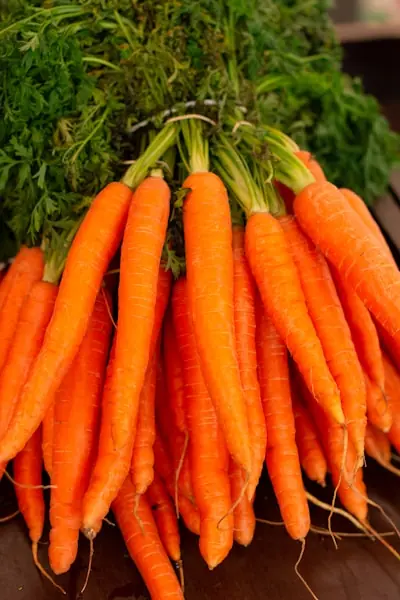
Ginkgo Biloba
Improves microcirculation in the inner ear. Clinical research shows Ginkgo enhances cochlear blood flow, which is critical for auditory nerve health and may reduce age-related hearing decline.
Rhodiola Rosea
An adaptogen that protects auditory neurons from oxidative stress. Studies show it helps maintain healthy nerve signaling pathways that are essential for clear hearing.
Garlic Extract
Contains allicin, a powerful antioxidant that supports cardiovascular health and enhances blood flow to the delicate structures of the inner ear.
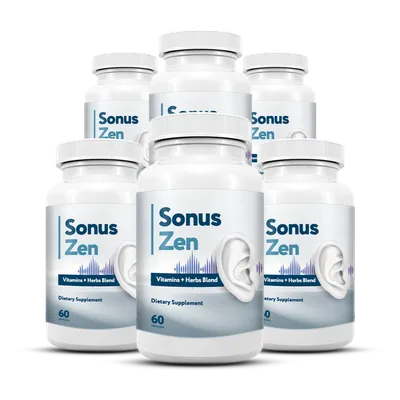
Comprehensive Auditory Support
SonusZen combines circulation boosters, antioxidants, and nerve-supporting nutrients in one formula. Designed for age-related hearing health.
Learn More →🛡️ 60-Day Money-Back Guarantee
Prevention Strategies: What Actually Works
Strategy 1: Protect from Noise (Even "Normal" Noise)
Noise damage is cumulative. What seems harmless today adds up over decades.
- Use earplugs: Concerts, power tools, loud restaurants, airplanes
- Follow 60/60 rule: Headphones at max 60% volume for 60 minutes
- Take noise breaks: Give your ears rest after loud exposure
- Consider noise-canceling headphones: Reduces need for high volume
Strategy 2: Optimize Cardiovascular Health
Your ears are only as healthy as your cardiovascular system.
- Exercise regularly: 150 minutes moderate cardio weekly
- Control blood pressure: Target under 120/80
- Manage cholesterol: Especially LDL and triglycerides
- Control blood sugar: Diabetes doubles hearing loss risk
- Don't smoke: Damages blood vessels and increases risk 70%
Strategy 3: Antioxidant Protection
Combat oxidative stress with targeted nutrients:
- Vitamin C: 500-1,000mg daily
- Vitamin E: 400 IU daily (mixed tocopherols)
- Alpha-Lipoic Acid: 300-600mg daily
- CoQ10: 100-200mg daily (ubiquinol form)
- Glutathione: 250-500mg daily or NAC (precursor)
Strategy 4: Support Circulation
- Ginkgo Biloba: 120-240mg daily (EGb 761 extract)
- Omega-3 Fatty Acids: 1,000-2,000mg EPA/DHA daily
- Magnesium: 300-400mg daily (improves vascular function)
- Garlic: 600-1,200mg aged garlic extract
Strategy 5: Nerve Health Support
- Vitamin B12: 1,000mcg daily if over 50 or deficient
- Folate: 400-800mcg daily (methylfolate form)
- Vitamin B6: 50-100mg daily
- Alpha-Lipoic Acid: Protects nerve cells
Strategy 6: Reduce Inflammation
- Mediterranean diet: Reduces hearing loss risk by 30%
- Omega-3s: Powerful anti-inflammatory
- Curcumin: 500-1,000mg with black pepper
- Limit processed foods: High in inflammatory omega-6 fats
- Manage stress: Chronic stress promotes inflammation
Can You Reverse Age-Related Hearing Loss?
The honest answer: it depends on the type and extent of damage.
What Can Be Improved:
- Circulation-related issues: Improving blood flow can restore some function
- Inflammation-related damage: Reducing inflammation may improve hearing
- Nutritional deficiencies: Correcting deficiencies often improves hearing
- Earwax buildup: Simple removal can restore significant hearing
What Cannot Be Reversed:
- Dead hair cells: Once gone, they don't regenerate (yet — stem cell research is promising)
- Severe nerve damage: Advanced neural presbycusis is difficult to reverse
- Structural changes: Mechanical presbycusis is largely irreversible
Early intervention is crucial. Hair cells can be protected and supported, but once they die, they're gone. Start prevention strategies in your 40s and 50s, not after significant loss has occurred.
The Role of Hearing Aids
Hearing aids don't just amplify sound — they prevent further decline.
Why Early Hearing Aid Use Matters:
- Prevents auditory deprivation: When the brain stops receiving sound signals, it "forgets" how to process them
- Reduces cognitive decline: Untreated hearing loss accelerates dementia risk by 200-500%
- Improves quality of life: Better communication, less social isolation
- Easier adjustment: The longer you wait, the harder it is to adapt
When to consider hearing aids: If you have trouble understanding speech in noisy environments, frequently ask people to repeat themselves, or turn up the TV volume.
Lifestyle Factors That Accelerate Hearing Loss
Avoid or Minimize:
- Smoking: Increases risk 70% (damages blood vessels)
- Excessive alcohol: Toxic to hair cells and nerves
- Ototoxic medications: Some antibiotics, chemotherapy drugs, high-dose aspirin
- Chronic stress: Increases cortisol, which damages auditory cells
- Poor sleep: Reduces cellular repair and increases inflammation
- Sedentary lifestyle: Reduces circulation
Creating Your Hearing Protection Plan
In Your 40s:
- Get baseline hearing test
- Start antioxidant supplementation
- Protect from noise exposure
- Optimize cardiovascular health
- Adopt Mediterranean-style diet
In Your 50s:
- Annual hearing tests
- Add circulation-supporting supplements
- Check B12, magnesium, zinc levels
- Intensify cardiovascular exercise
- Consider hearing aids if needed
In Your 60s+:
- Biannual hearing tests
- Comprehensive supplement protocol
- Don't delay hearing aids if recommended
- Stay socially active (reduces cognitive decline)
- Continue all prevention strategies
Key Ingredients for Hearing Support
Ginkgo Biloba
Improves microcirculation in the inner ear. Clinical research shows Ginkgo enhances cochlear blood flow, which is critical for auditory nerve health and may reduce age-related hearing decline.
Rhodiola Rosea
An adaptogen that protects auditory neurons from oxidative stress. Studies show it helps maintain healthy nerve signaling pathways that are essential for clear hearing.
Garlic Extract
Contains allicin, a powerful antioxidant that supports cardiovascular health and enhances blood flow to the delicate structures of the inner ear.
Support Your Hearing Health Today
SonusZen provides comprehensive auditory support with 6 clinically-studied ingredients. Prevention is easier than reversal — start now.
Try SonusZen Risk-Free →🛡️ 100% Satisfaction Guaranteed
When to See an Audiologist
Schedule a hearing test if you:
- Frequently ask people to repeat themselves
- Have trouble understanding speech in noisy places
- Turn up TV/radio volume higher than others prefer
- Experience ringing or buzzing in ears
- Notice sudden hearing changes
- Are over 50 (baseline test recommended)
Final Thoughts
Age-related hearing loss is not inevitable. While some decline is natural, much of what we consider "normal aging" is actually preventable damage from:
- Cumulative noise exposure
- Oxidative stress
- Poor circulation
- Nutritional deficiencies
- Chronic inflammation
The key is early intervention. Start protecting your hearing in your 40s and 50s, not after significant loss has occurred. Combine noise protection, cardiovascular health, targeted nutrition, and regular monitoring.
Remember: your ears don't have a "reset button." Once hair cells are damaged, they're gone. But with the right strategies, you can maintain excellent hearing well into your 80s and beyond.