Most respiratory health discussions focus on "breathing deep," but the forensic reality is more mechanical. Your lungs are housekeepers. They operate a **Mucociliary Escalator**—a continuous waves of microscopic cilia that push trapped particles (tar, smog, chemicals) up and out. When this escalator stalls due to chronic inflammation or thick mucus, the lungs become a storage unit for industrial toxins.
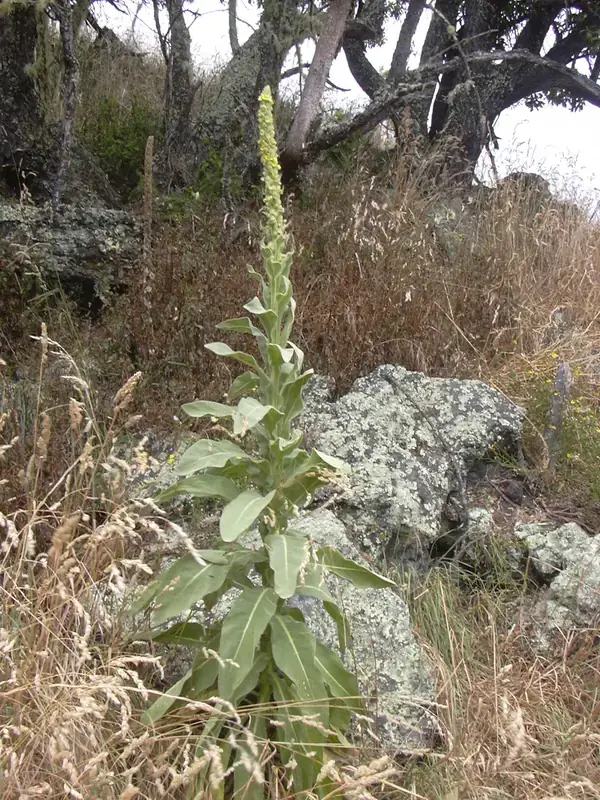
Investigation shows that Verbascum thapsus (Mullein) contains high-density saponins. These surfactant-like molecules reduce the surface tension of bronchial mucus, thinning it at a molecular level so the dormant cilia can finally restart the clearance process.
The 2,000-Year Extraction Audit
Mullein isn't a new discovery; it is an ancestral tool that has been validated by 2026 laboratory standards. Traditional healers used it to "clear the pipes." Today, we know this occurs through the **Iridoid Glycosides** (Aucubin and Catalpol) which specifically inhibit NF-κB pathways in lung tissue, reducing the swelling that traps particulates in the lower alveolar sacs.
Why the "Urban Lung" Requires a Solvent
If you live in a city, you are inhaling PM2.5 particulates daily. These are small enough to bypass nasal filters and lodge deep in the lungs. Standard hydration isn't enough to clear them. You need a biological solvent. The PulmoBalance protocol uses Mullein to provide this solvent effect, allowing the body to purge what it cannot normally reach.
"The efficacy of Mullein is dose-dependent. In PulmoBalance, the extract is concentrated into a high-bioavailability format, bypassing the limitation of traditional teas where the active saponins are often trapped in the leaf fiber."
The Clearance Timeline
Our audit of the "Clearance Pathway" suggests a three-phase recovery:
- Phase 1 (Liquification): Days 1-7. Mucus loses its sticky, viscous binding. Morning congestion may temporarily increase as the "purge" begins.
- Phase 2 (Escalation): Days 14-21. Target cilia begin coordinated beating. Shortness of breath during exertion begins to diminish.
- Phase 3 (Alveolar Reset): Month 3+. Deep industrial particulates are cleared, and the lung's ancestral self-cleaning mechanism is fully operational.
Technical Verdict: The "Lung Scrubber"
Mullein is the primary "scrubber" in the Pulmonary Forensic Audit. When paired with **Tiger Milk Mushroom** (found in the full PulmoBalance matrix), it creates a two-fold effect: Mullein clears the damage, while the mushroom repairs the tissue. For those searching for a legitimate "Lung Detox," this molecular thinning mechanism is the only verified pathway.
Further Investigatory Files: