You're eating the same foods, doing the same exercise, and sleeping the same hours — but the scale keeps creeping up. Sound familiar? If you're over 35, you've likely experienced this frustrating reality firsthand.

The good news? It's not inevitable, and it's not just about willpower. Once you understand what's actually happening at the biological level, you can take targeted action to reverse it.

The Real Reasons Your Metabolism Slows

1. Muscle Mass Decline (Sarcopenia)

Starting around age 30, you lose approximately 3-8% of muscle mass per decade if you don't actively maintain it. Since muscle burns 3x more calories than fat at rest, every pound of muscle you lose reduces your resting metabolic rate. By age 50, this alone can account for burning 200-400 fewer calories per day.

2. Hormonal Shifts

Both men and women experience hormone changes that affect metabolism. Testosterone (which supports muscle and metabolic rate) gradually declines in men after 30. In women, estrogen fluctuations during perimenopause and menopause significantly impact fat distribution and metabolic efficiency.

3. Mitochondrial Decline

Your cells' energy-producing mitochondria become less efficient with age — declining 2-4% per decade after 30. Fewer and less efficient mitochondria means less fat is burned for energy and more is stored.

4. Decreased NEAT (Non-Exercise Activity Thermogenesis)

As people age, they unconsciously move less — fidgeting less, taking fewer steps, choosing elevators. This "invisible movement" reduction can account for 200-500 calories per day — often more than formal exercise burns.

🔬 The Breakthrough 2021 Study

A landmark 2021 study published in Science analyzed metabolic rates of 6,400+ people across 29 countries and found that metabolism actually stays remarkably stable between ages 20-60, declining only ~0.7%/year. The real drops come from muscle loss and reduced activity — not an intrinsic metabolic slowdown. This means the "slow metabolism" is largely fixable.

7 Evidence-Based Ways to Fix Your Metabolism

Fix #1: Resistance Training (Most Important)

Weight training is the single most effective intervention for age-related metabolic decline. Building and maintaining muscle directly increases your resting metabolic rate. Just 2-3 sessions per week of 30-45 minutes can reverse years of muscle loss and boost calorie burning by 100-200 kcal/day.

Fix #2: Increase Protein Intake

Protein has a thermic effect 5-10x higher than carbs or fats — your body burns 20-30% of protein calories just digesting them. Aim for 1.2-1.6g protein per kg of body weight. This preserves muscle, increases satiety, and directly boosts metabolic rate.

Fix #3: Prioritize Sleep

Just one week of sleeping 5 hours instead of 8 can reduce metabolic rate by 5-20% and increase insulin resistance by 40%. Sleep is when your body repairs mitochondria. Non-negotiable: 7-9 hours of quality sleep.

Fix #4: Cold Exposure

Cold showers, cold plunges, or even keeping room temperature at 65°F can activate brown adipose tissue (brown fat), which burns white fat for heat. Studies show regular cold exposure can increase calorie burning by 100-300 kcal/day.

Fix #5: Move More (Beyond Exercise)

Increase your NEAT — take calls walking, use a standing desk, park farther away, take stairs. These small changes can burn 200-500 extra calories daily — often more impact than a gym session.

Fix #6: Strategic Meal Timing

Eating more calories earlier in the day (when metabolism is naturally higher) and less at night. Time-restricted eating (14-16 hour overnight fast) improves insulin sensitivity and mitochondrial function, supporting better metabolic efficiency.

Fix #7: Thermogenic Compounds

Certain natural compounds can boost your metabolic rate directly. The most research-backed include:

  • P-synephrine (from bitter orange peel) — increases metabolic rate by 65+ kcal/day
  • Capsaicin (from red pepper) — boosts thermogenesis by 50-100 kcal/day
  • Berberine — activates AMPK, the metabolic master switch
  • Ginseng — improves fat oxidation and blood sugar regulation

Do Metabolism Supplements Actually Work?

Most metabolism supplements are overpriced caffeine pills. However, some use evidence-backed thermogenic compounds at effective doses — and those can genuinely complement lifestyle changes.

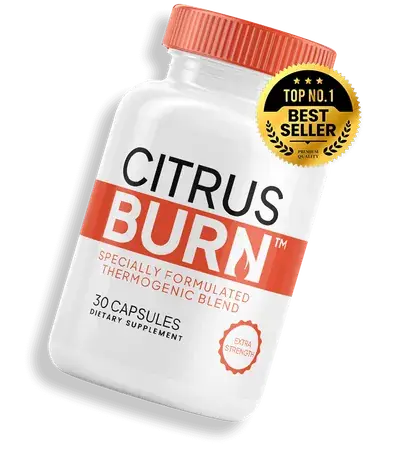
CitrusBurn, for example, combines p-synephrine, capsaicin, berberine, and Korean ginseng — four compounds with independent metabolic research — in a caffeine-free formula designed specifically for people over 35 with declining metabolic function.

CitrusBurn supplement - metabolism support

CitrusBurn uses citrus-derived thermogenics instead of caffeine. Image from official website.

CitrusBurn supplement

Support Your Metabolism the Natural Way

CitrusBurn combines p-synephrine and 6 other thermogenic compounds — no caffeine, no jitters. Backed by a 180-day money-back guarantee.

Learn More About CitrusBurn →

🔒 180-Day Money-Back Guarantee

💡 Bottom Line

Age-related "metabolic slowdown" is largely driven by muscle loss, reduced activity, and mitochondrial decline — all of which are fixable. Resistance training, protein, sleep, and strategic supplementation can reverse years of metabolic decline at any age.