"For more than a decade, the weight loss industry has treated metabolism like a dead horse that needs to be whipped. High-dose caffeine. Harsh thermogenics. But after 35, the whip stops working."
If you are over 35, you have likely noticed a terrifying trend: What worked in your 20s has stopped working. You cut calories, you increase cardio, and the scale doesn't budge. In fact, high-intensity efforts often backfire, leading to exhaustion, cravings, and "weight loss resistance."
In late 2025, the conversation shifted. It wasn't another stimulant formula making waves, but emerging research around citrus-derived bioactive compounds. This approach, often dubbed the "Orange Peel Trick" on social media, isn't about burning calories faster—it's about signaling the body to unlock them.
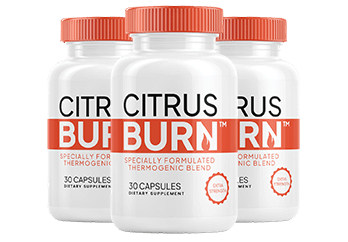
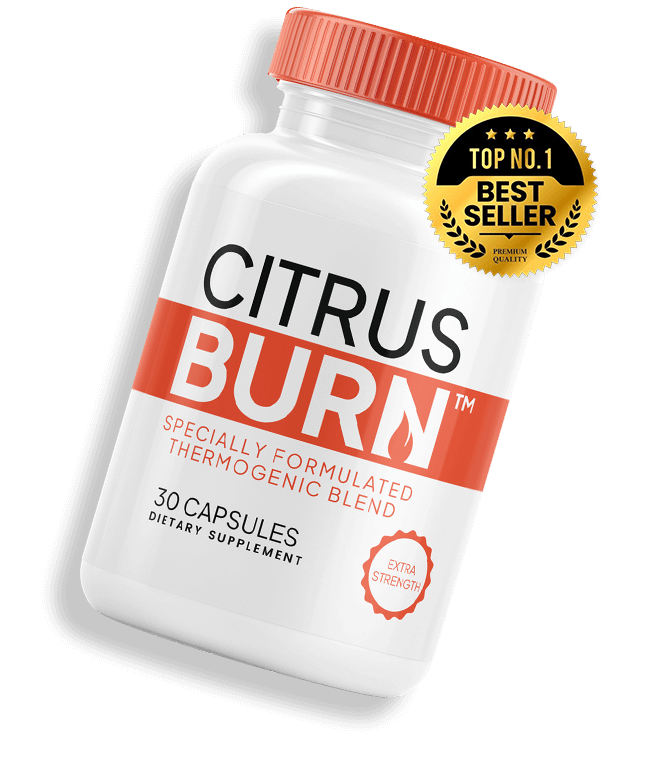
This report investigates CitrusBurn™: Is it a legitimate metabolic breakthrough, or just overpriced fruit peel? We analyze the science, the safety, and rigorous 90-day user data.
The Science: Why "Squeezing an Orange" Won't Work
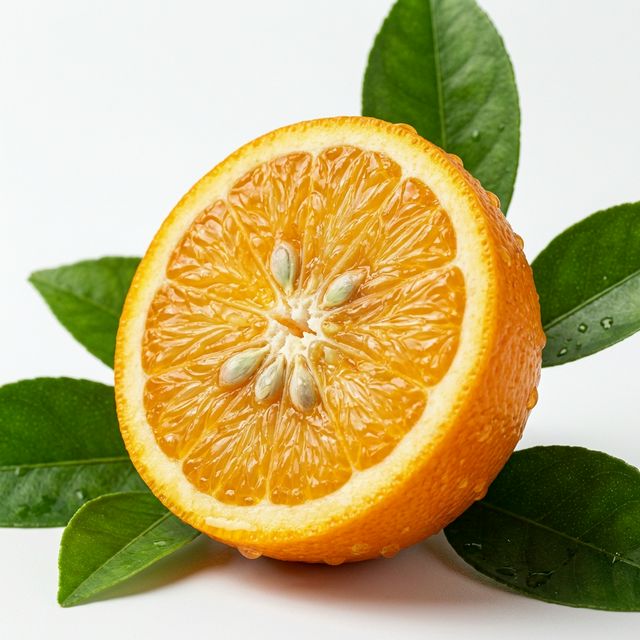
The viral videos claim you can just boil orange peels. This is false. The bioactive compound, p-synephrine, is found in the bitter albedo (white part) of Citrus Aurantium (Seville Orange), not the common sweet orange.
Furthermore, to achieve the metabolic effects seen in clinical trials, you need a standardized concentration of 50mg-80mg. You would need to eat 40+ raw Seville oranges (peel included) to get this dose, which would destroy your stomach acid.
The "Metabolic Gap": Stimulants vs. Signaling
Most fat burners (PhenQ, Hydroxycut) use massive doses of caffeine to trick your brain into a "Fight or Flight" panic. This burns calories, but it stresses your adrenal glands and leads to a crash.
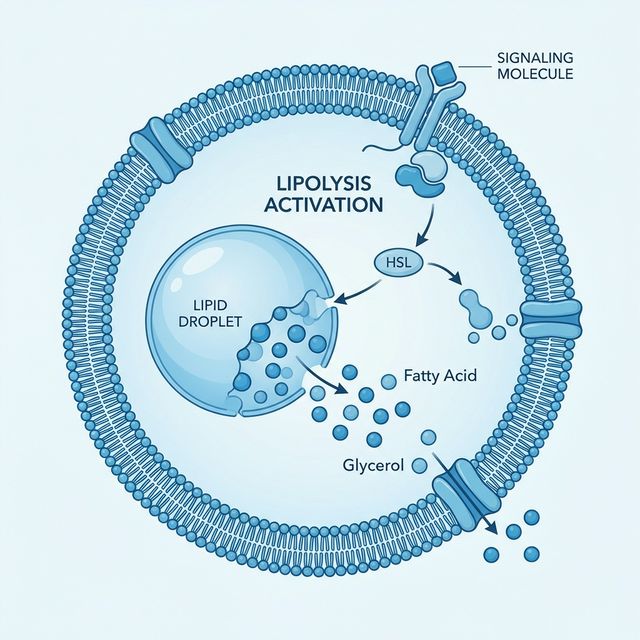
CitrusBurn is different. It targets the Beta-3 Adrenergic Receptors. Think of these as a "thermostat dial" for your brown adipose tissue (BAT).
Clinical Verification (Stohs et al., 2016)
In a review of over 30 human clinical studies, researchers found that p-synephrine increased Resting Metabolic Rate (RMR) by 6.7% to 18.3% without increasing heart rate or blood pressure in the majority of subjects.
Adrenal Crash after 4 hours
Sustained Burn (Up to 7 hours)